Physical Bankruptcy: The Burnout Bill Every Founder Pays Eventually
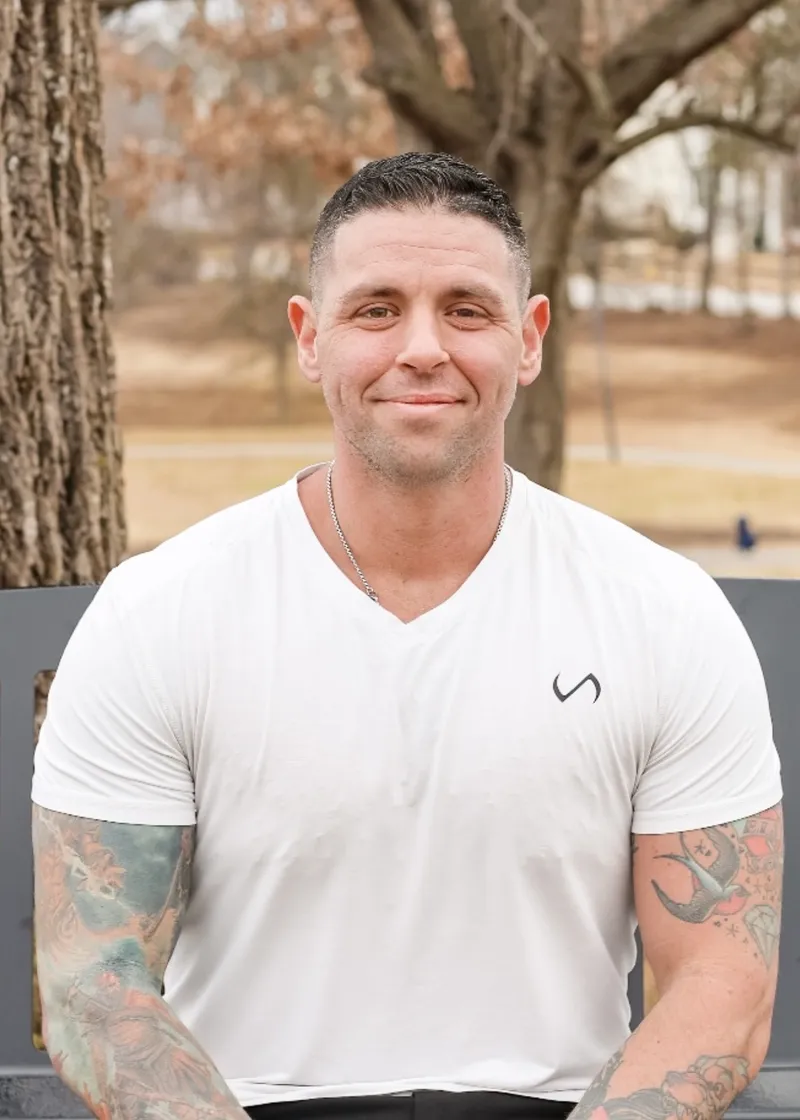 By Sam Kaufman, November 21, 2026, 5 min read
Every founder runs a second set of books. Nobody audits it, so most people don’t know it exists.
It’s the body. Sleep borrowed against. Meals skipped and replaced with caffeine. Training “next week.” Stress carried in the shoulders, the gut and the 2 a.m. ceiling stare. Every one of those is a withdrawal, and the account doesn’t care how good your quarter was.
Eventually the bill comes due. That’s physical bankruptcy: you’ve spent your body to fund your business, and now you can’t run either one at full capacity.
Where I was
In 2019 I weighed about 300 pounds. I smoked cigarettes and lived on energy drinks.
I’d spent the years before that working seven days a week on job sites, often alone, then doing paperwork at night and on Sundays. Nobody had a negative thing to say about that version of me.
When I decided to take my health seriously and started dieting, a bunch of my friends made fun of me for it. I “changed.”
Yes. That was the point.
I’m telling you this because I don’t write about health from a podium. I write about it from the other side of a bill I ran up myself.
You can’t outperform your own habits
When I looked back on the past year of running and coaching businesses, one pattern was obvious. When sleep slipped, training slipped, or structure slipped, everything downstream felt it. When personal standards were tight, the businesses followed.
You can’t outperform your own habits. Your body sets the ceiling on your judgment, your patience, your focus and your temper. All four of those decide what happens in your company on a stressful Tuesday.
A founder in physical bankruptcy makes worse decisions, shorter-fused decisions and slower decisions, and usually doesn’t notice, because the decline is gradual.
Fitness doesn’t build your pipeline. Discipline does.
I’ll say the unpopular part, too. Getting abs and waking up at 4 a.m. won’t magically scale your business. PRing your squat doesn’t build your pipeline. A long run doesn’t fix your broken front-end systems.
So what’s the real connection between fitness and business? Discipline. That’s the bridge.
Getting in shape and staying there requires a complete lifestyle change. Eating differently. Training consistently. Being sore. Saying no to late nights and bad food. Showing up when you don’t feel like it. All of that builds real, proven discipline.
Then you have to transfer it. The same process needs to happen in your company: saying no to distractions, following process when it’s uncomfortable, protecting margins when it’s easier to discount, executing systems when you’d rather wing it.
Working out takes an hour. Your business takes 24 hours a day of discipline. Train the muscle where it’s easiest, then carry it where it counts.
Build a health system that fits your actual life
The reason most busy owners fail at fitness isn’t laziness. It’s that they copy a plan built for someone with no business, no kids and no 6 a.m. client emergencies. The plan breaks the first week, and they call it a willpower problem.
It’s a design problem. Here’s how I built my own fat-loss protocol around the real demands of my work and family:
- No double sessions. Training first, then 20–25 minutes of low-intensity cardio four or five times a week, plus one higher-intensity session on a rest day.
- Eat around how I actually work. I don’t love eating mid-workday, it slows me down. So: big breakfast after training, a small-to-moderate lunch, a big dinner with carbs, and dessert built in because I love dessert.
- Stack muscle groups. A modified upper/lower split means a missed day doesn’t matter. Every muscle group still gets hit. No “make-up workout” stress.
- A fast check-in. A weekly check-in that takes minutes, not an hour.
- Ranges, not rules. My meals have ranges so I can eat dinner with my family when my wife cooks. Some days I run a tighter plan. Most days, I’m at the table.
- Don’t outrun recovery. If work, family, sleep, mood or energy start suffering, we adjust. Planned adjustment, not panic.
I’m busy. I have major responsibilities. Business isn’t just a job for me; it’s my favorite hobby, sport and passion. I love time with my family. And I still have goals for my health and my body.
I can 100% honor all of them. It just requires a plan that makes sense, checks in regularly and gets adjusted as needed.
Rigid first, then disciplined
When you start, you need rigidity. Same time. Same sequence. Every day. Rigidity builds the repetition before your brain has a chance to negotiate with itself.
But rigidity is training wheels for discipline. If you never take them off, the first client emergency at 5 a.m. breaks the whole system.
The disciplined lifter doesn’t miss training because his morning got hijacked. He hits it at lunch or after the kids go down. The function gets protected. The window shifts.
Rigidity says: “It must be this way or it doesn’t count.” Discipline says: “This must get done. I’ll find the way.”
Discomfort is the price of growth
Your body doesn’t want to add tissue. Past the beginner stage, the stimulus it takes to force muscle growth is high. Your brain works the same way. Growth requires a steady stimulus it doesn’t want.
Most of us live with almost no resistance. That’s awesome, and it’s dangerous. If you’re not careful, a little below-average discomfort starts to feel impossible.
So, a few rules I live by:
- Train beyond your comfort level three or four times a week. Comfortable workouts don’t create growth.
- Learn things that make you feel stupid. Feeling stupid is the same as failing on a lift. That’s how you grow.
- Guard your attention like it’s part of your health, because it is. Focus on one thing for 45–90 minutes without picking up your phone.
You’re not 20 anymore. Act like it.
For my guys in their 30s, 40s and beyond who are struggling with discipline: stop trying to recreate what once was. Build a plan for what is, and follow it.
You can 100% be in amazing shape at 30 and 40. But you have to act like it.
The business will ask for everything you’ve got. Make sure there’s still a body there to give it.
Sam isn’t a doctor. Talk to your physician before starting a new training or nutrition plan.